
Articles & Research
The Hidden Meaning of Eid-al-Adha
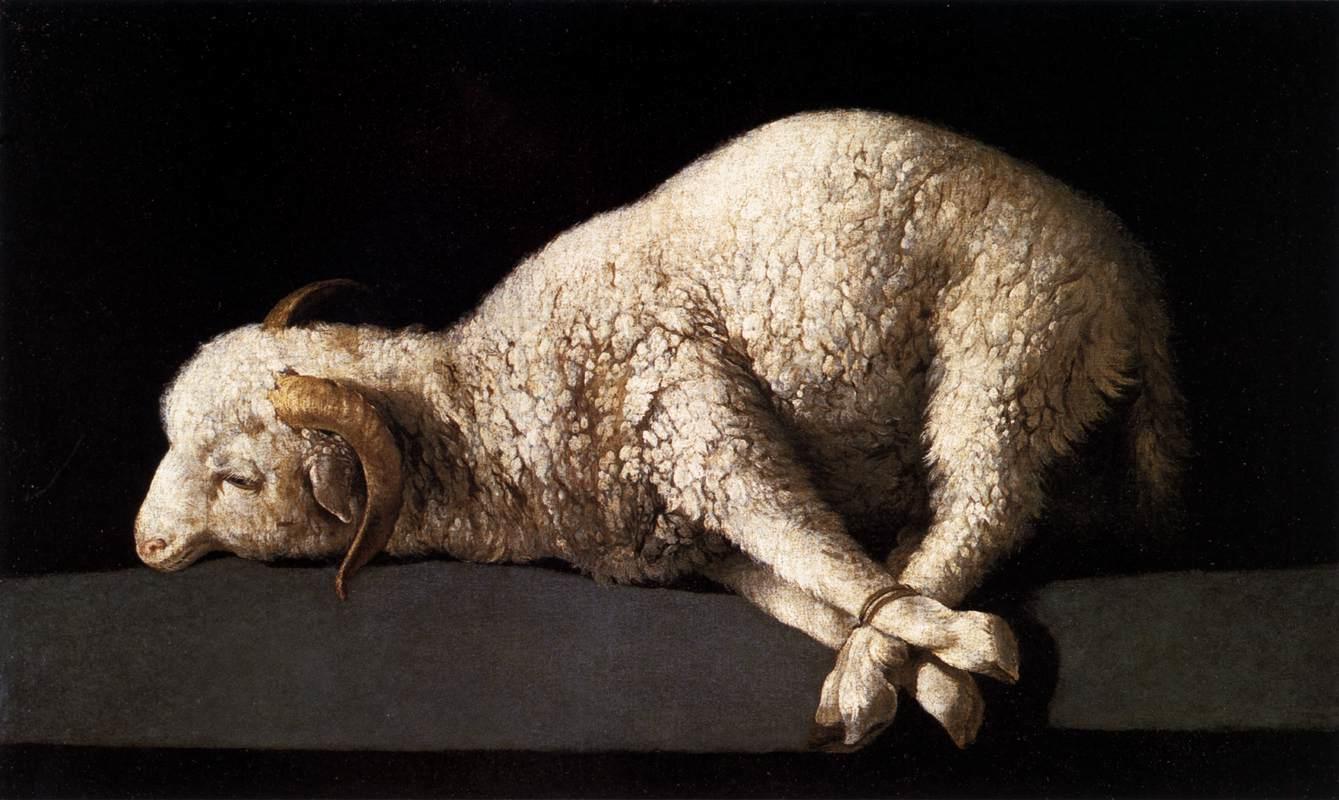
Each year thousands of animals are sacrificed all around the world on Eid-al-Adha, the Feast of Sacrifice. The holy prophet Ibrahim (s:) is remembered for being willing to sacrifice his son at the command of Almighty Allah (SWT). We remember that at the last moment as the prophet was about to plunge the knife into the body of his son, Allah called out to Prophet Ibrahim to stop and not to harm his son. Instead, Allah provided an animal as a substitute sacrifice. And so, every year similar sacrifices are performed in memory of Prophet Ibrahim’s submission to Allah. …

What are the Taurat, Zabur and Injil?
It is common knowledge that Muslims recognize four remaining holy books out of a total of 104 revelations, of which 100 are missing. Although Muslims are often taught that the 3 remaining books previous to the Quran have been altered, still, Muslims for the most part, respect those 3 holy books. The 3 holy books are known as the Taurat, Zabur, and Injil. This study will not deal with the subject of the abrogation of the previous scriptures, nor will it focus on the topic of the corruption of those scriptures. The purpose of this study is to examine the relationship between the 3 holy books mentioned in the Quran and the scriptures that are actually in the hands of Jews and Christians today. …
What is God’s Personal Name?
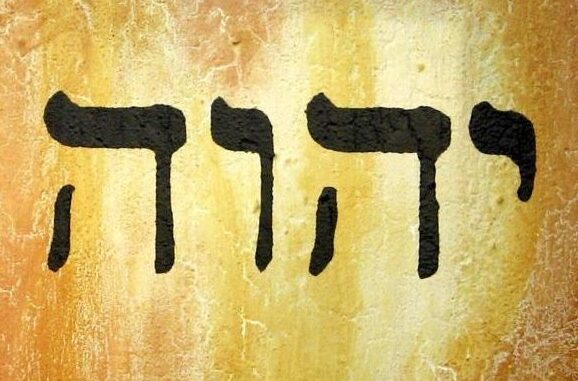
In the four heavenly books believed in by all Muslims (Taurat, Zabur, Injil, Quran), there are many different names and titles for God. For example, the Arabic Quran speaks of God as Ar-Rahman (the Gracious) and Ar-Rahim (the Merciful) at the head of every surah except for one. The Hebrew Taurat (Tanakh) frequently mentions God as Shaddai (Almighty); 31 times in the story of Ayub (Job) alone. In the Greek Injil (New Testament), Revelation addresses God as Alpha (the Beginning) and Omega (the End). These are just examples—there are many, many more. All these names have meanings that can be translated, and teach us something about God. …
78 Injil Quotations of ‘YAHWEH’ Verses from the Taurat
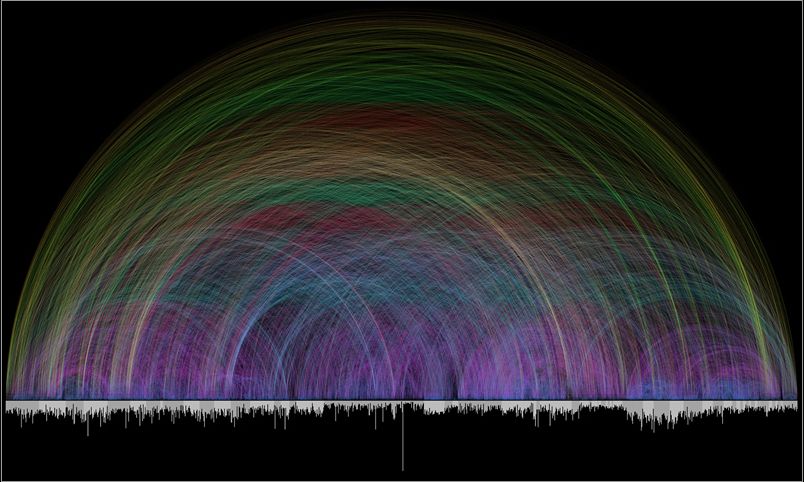
There are about 283 Taurat (Old Testament) verses quoted in the Injil (New Testament). Of those 283 verses, about 78 contain the Divine Name “YAHWEH” in the original Hebrew text. Following the practice of the LXX Septuagint Greek Translation of the Hebrew Old Testament (Taurat), the Greek New Testament (Injil) writers used the Greek words kurios (LORD in English) and sometimes theos (GOD in English) to represent the Divine Name “YAHWEH” when quoting verses from the Old Testament. This demonstrates that the Injil text is well aware of the Name of God revealed during the time of Prophet Musa (Moses) and written over 6,000 times in the pages of the Holy Taurat. …